 KarpiGames Editorial
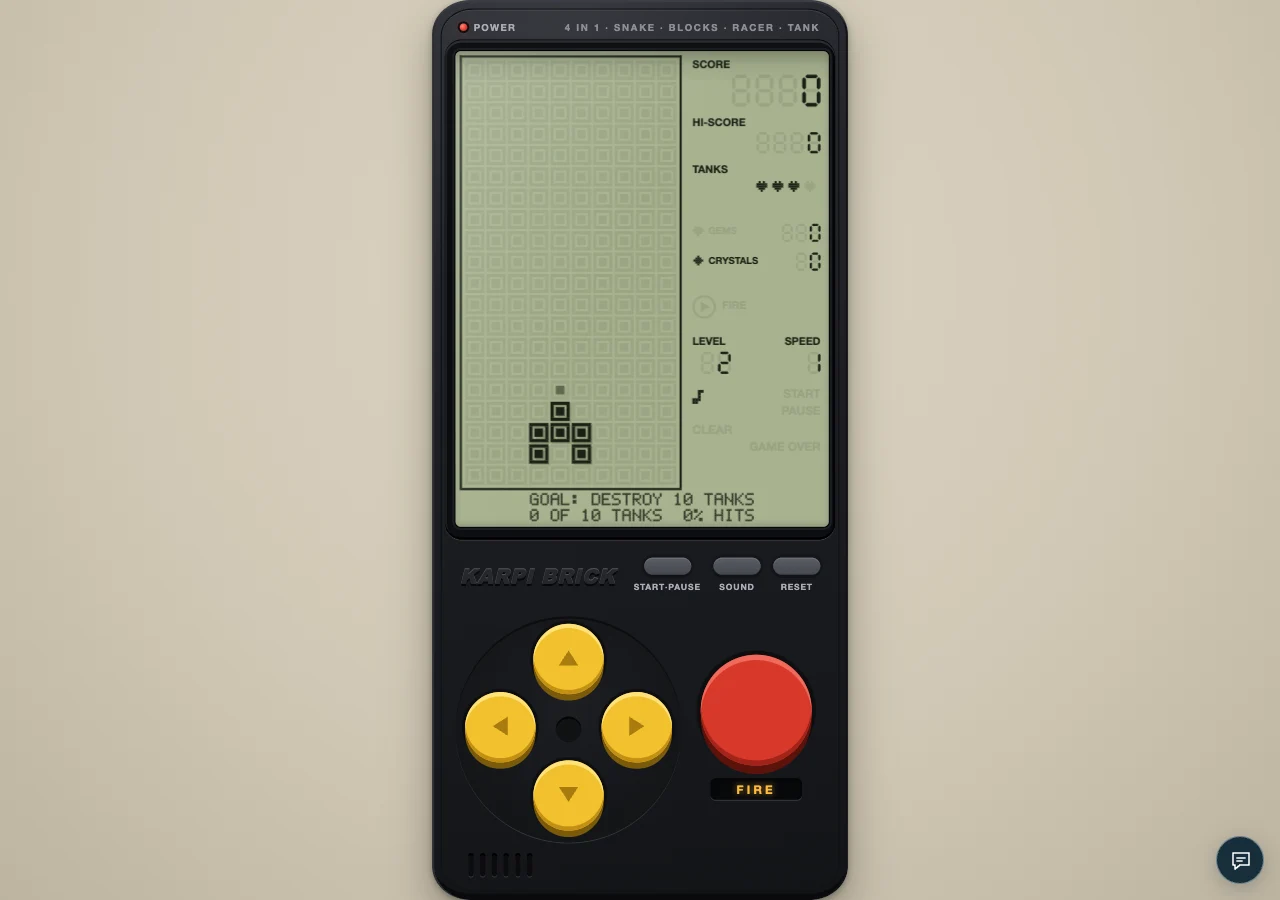
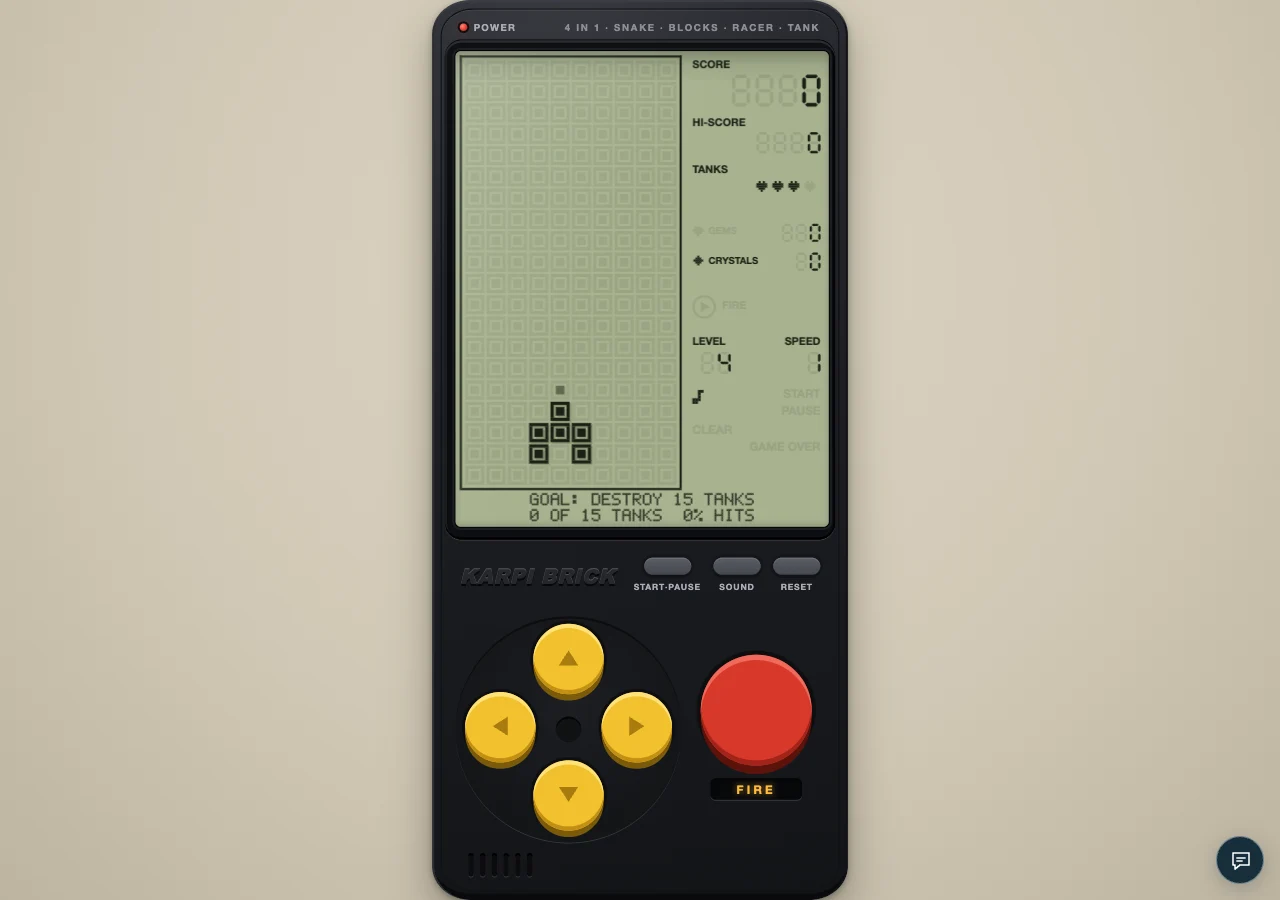
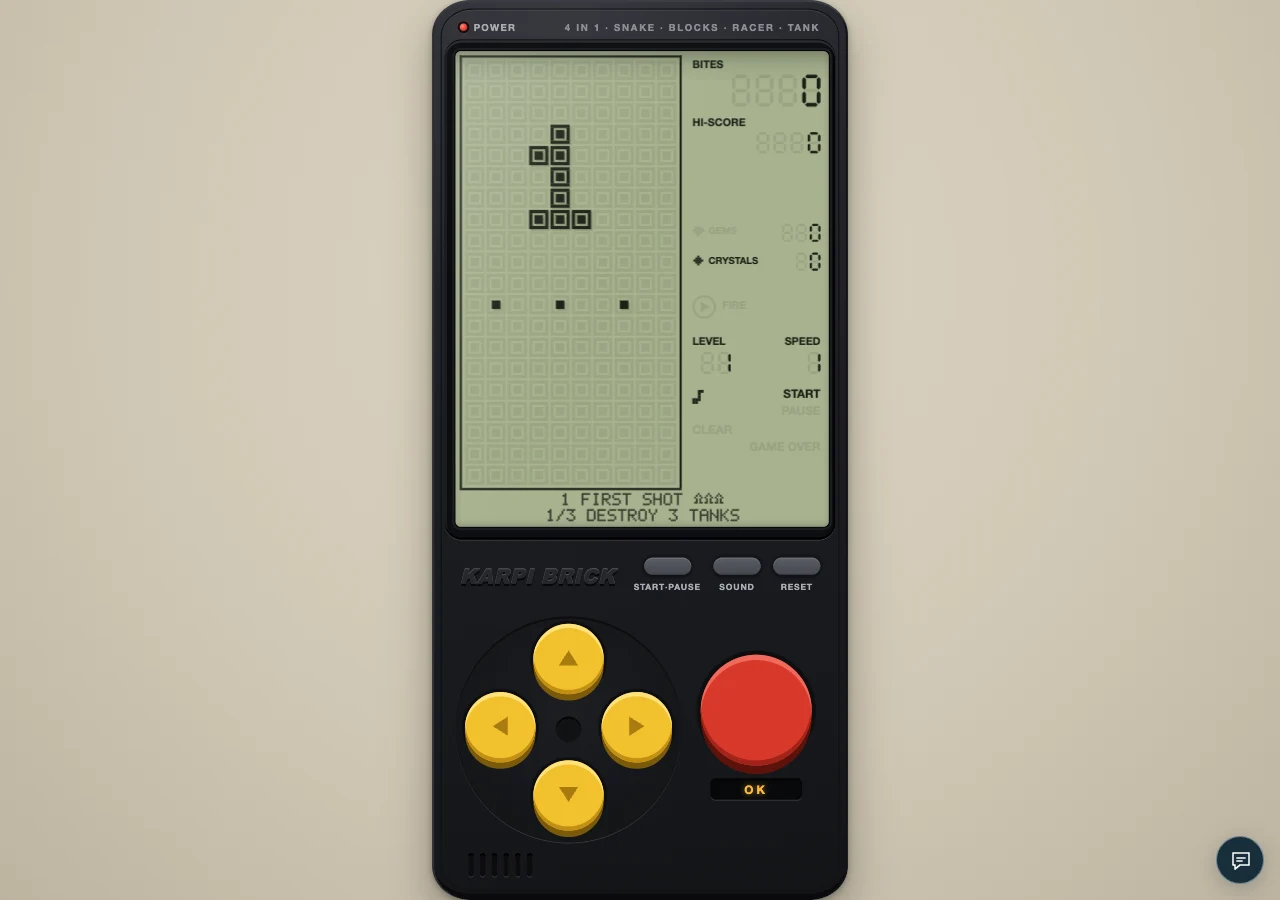
An authentic local capture of the cartridge. The visual guides below explain the decisions to look for.
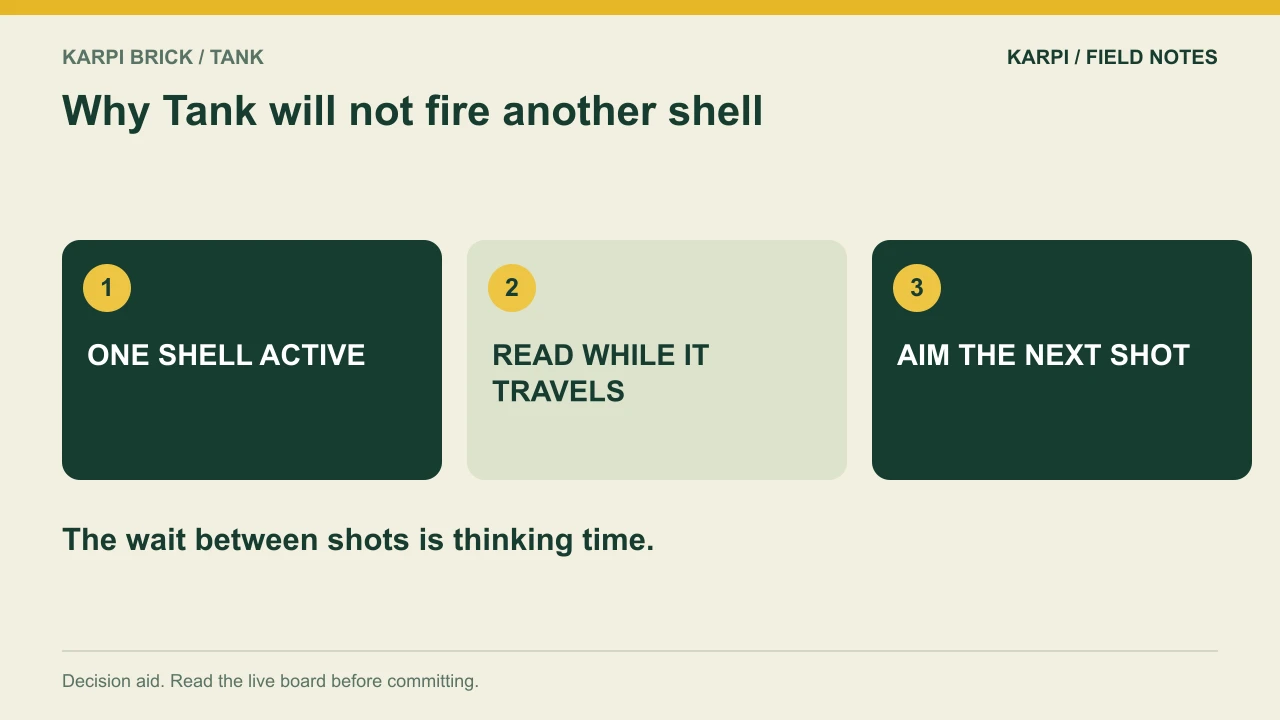
Tank allows one player shell on the board at a time. If the red button does not produce a second shot, the first shell may still be travelling. Use that interval to reposition and line up the next useful shot instead of hammering FIRE.
A shot occupies your firing opportunity
Once launched, your shell remains active until it hits something or leaves the board. During that time, another fire input is refused by the one-shell rule. The practical cost of a poor shot is therefore not only a missed hit. It also delays the next shot that might have had a clearer target.
Distance affects the wait
A shell sent along a long empty lane stays on the board while it travels. A nearby aligned enemy may resolve the shot sooner, but closing distance can expose you to danger. Do not turn that observation into a rule to rush forward. Balance the quality of the shot with the space needed to dodge the return fire.
Use the interval to read, not freeze
The firing limit does not require the tank to stand still. Watch enemy movement and incoming shells while your own shot travels. Prepare a new alignment or move out of a threat lane. If you spend the whole interval looking only at your shell, you may miss the information needed to survive the next exchange.
One aimed shot can beat several hopeful ones
A clear line gives the shell a meaningful chance to hit. Firing into empty space because the button is available can lower accuracy and consume time. That matters on MARKSMAN and other accuracy stages. The action should answer a visible target, not merely fill a pause in your movement.
Why a long miss can delay the next useful shot
Take the normal start: the tank's top-left position is at row 16 and it faces up. Its shell appears just ahead of the barrel, at row 15, and travels upward one cell per 90-millisecond game step. With nothing in its way, it needs sixteen steps, about 1.44 seconds, to leave the top of the board. Throughout that trip, the one-shell allowance is occupied. The example assumes no enemy or opposing shell intercepts it.
Now suppose a target enters a better line during that wait. Turning toward it changes your next firing direction but does not redirect the shell already travelling. You can reposition or dodge while waiting, yet cannot launch again until the first shell resolves. This makes shot selection a timing decision as well as an aiming decision. Fire at a visible useful lane, then prepare your next position instead of spending the whole interval pressing an action that is still unavailable.
A shell can disappear without a tank destruction
Opposing shells cancel when they meet on the same cell. Your shot can therefore clear from the board without adding a hit or destruction, and the firing opportunity becomes available again. That defensive cancellation still counts as a fired shot in the accuracy calculation. Do not assume every disappearing shell means a target was hit, or every declined FIRE press counts as a miss. The useful distinction is between a launched shot, a refused extra press, and a shell that actually destroys an enemy.
A focused practice attempt
For one attempt, make every shot a deliberate choice. Before firing, name the enemy or lane you expect it to meet. While the shell travels, make one defensive observation about the board. Afterward, compare your accuracy with a run where you fired whenever possible.
At the console | What to use |
|---|---|
Open this cartridge | |
Main controls | A new direction turns the tank first; another input in that direction moves it. Space or the red key fires. |
Pause | START/PAUSE on the console; Enter or P on a keyboard |
Journey | 12 levels across three chapters; read the goal and two extras |
Take it to the board: Play Tank and test one decision from this guide. The advice describes the current cartridge rules; a practice exercise is not a guaranteed score or clear.
 Take it to the gameBrick GameSnake, Blocks, Racer and Tank on a 90s handheldPlay free
Read next
Tank Didn't Move? Check Which Way the Barrel Faces For the series starting point, read Karpi Brick Tank: Aim First, Then Make Room.