 KarpiGames Editorial
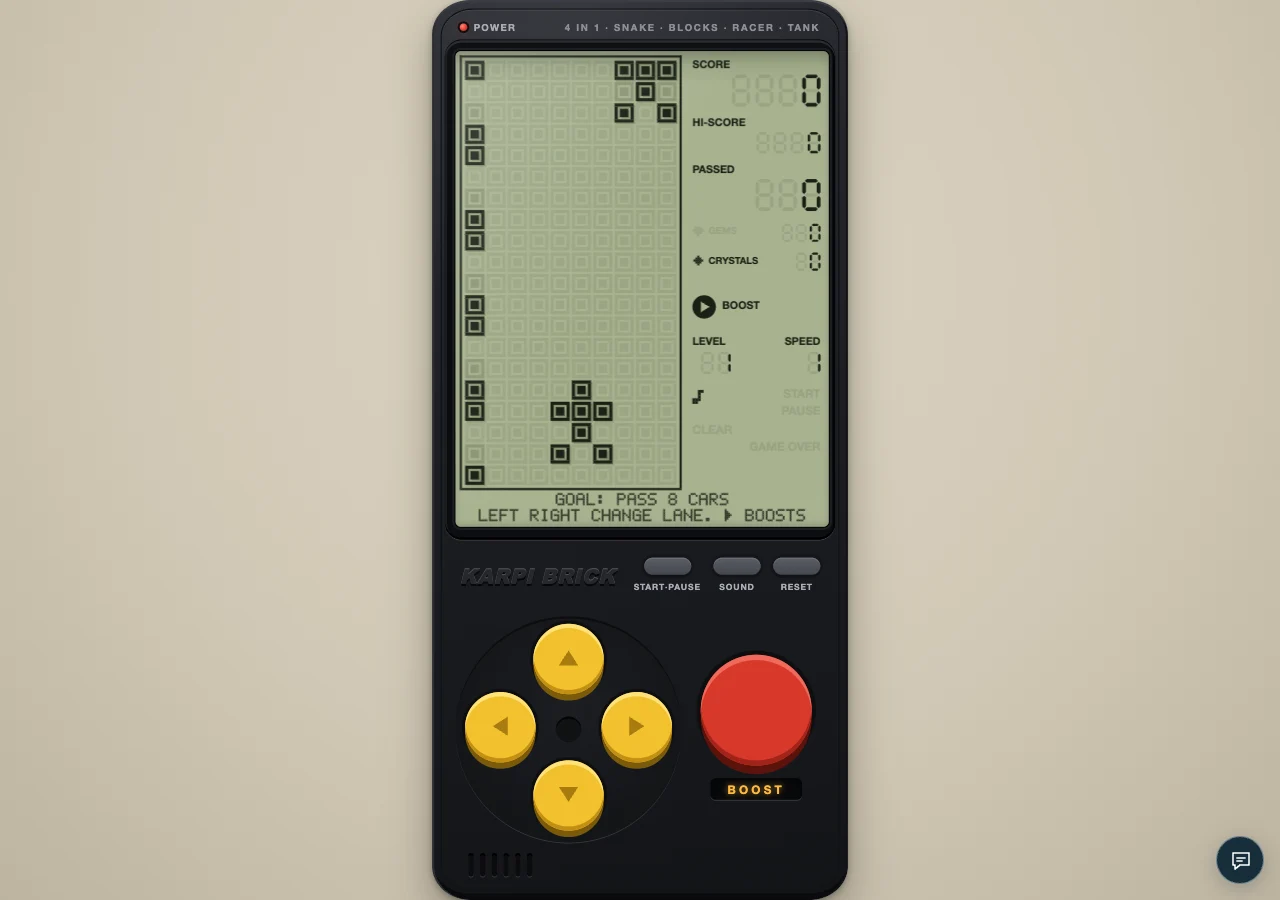
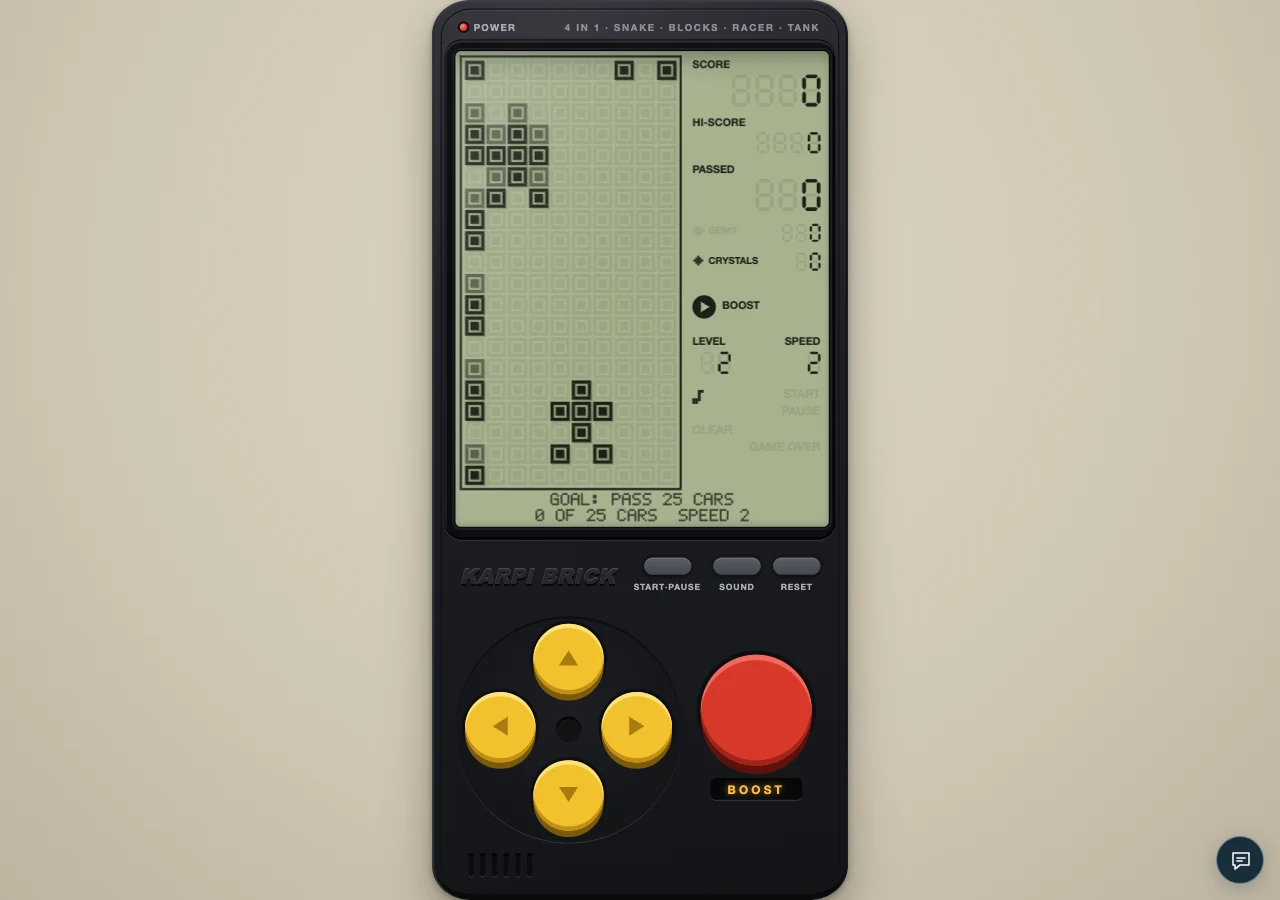
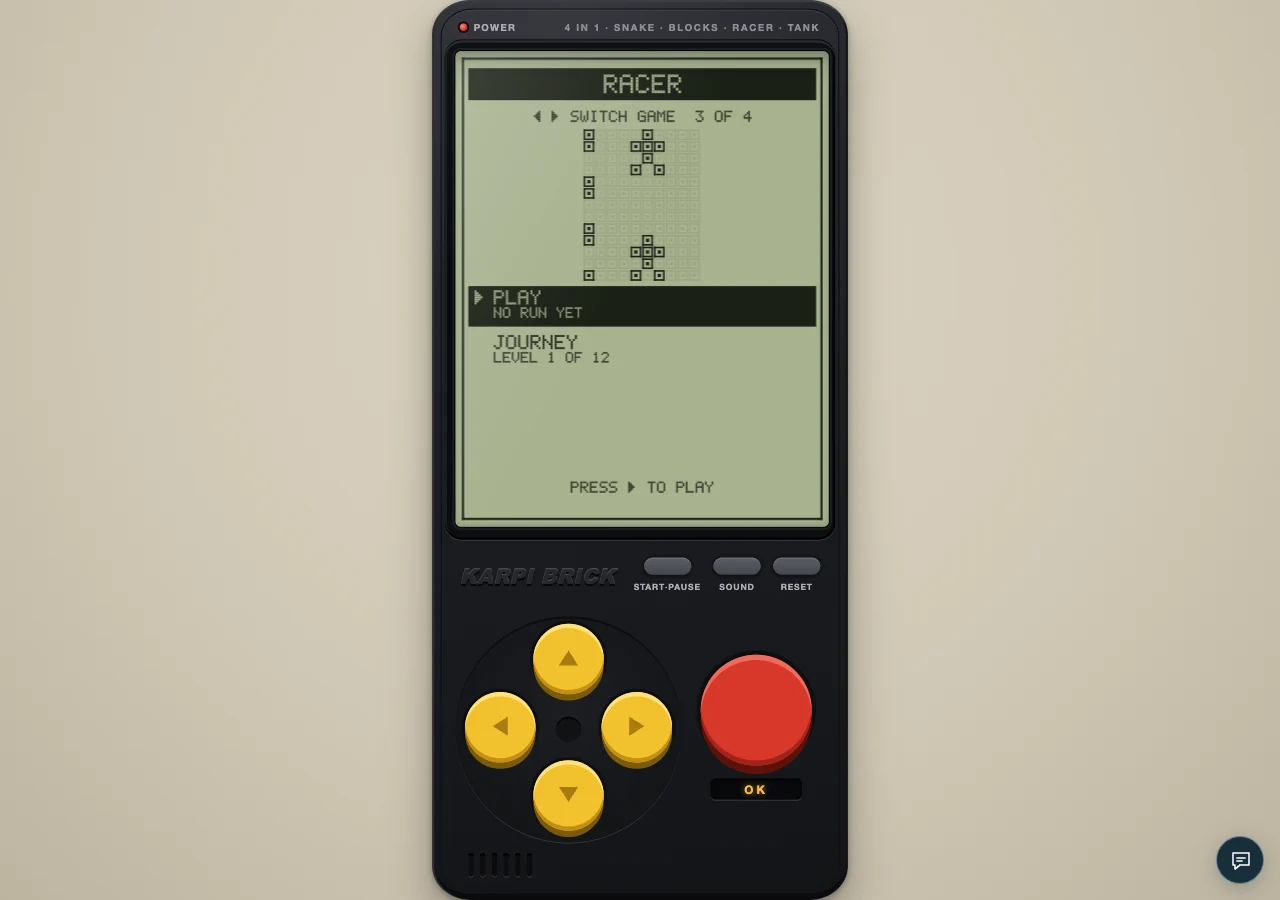
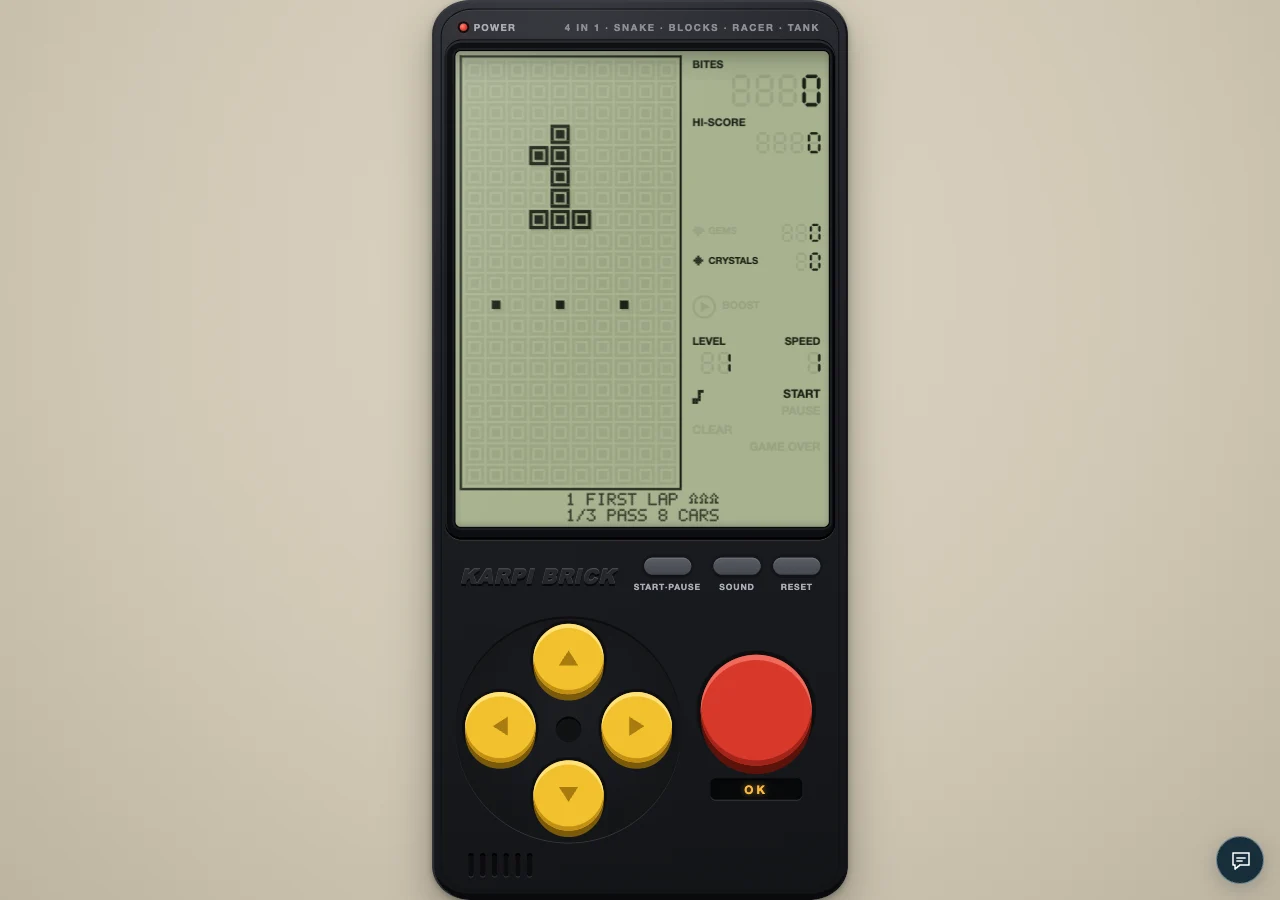
An authentic local capture of the cartridge. The visual guides below explain the decisions to look for.
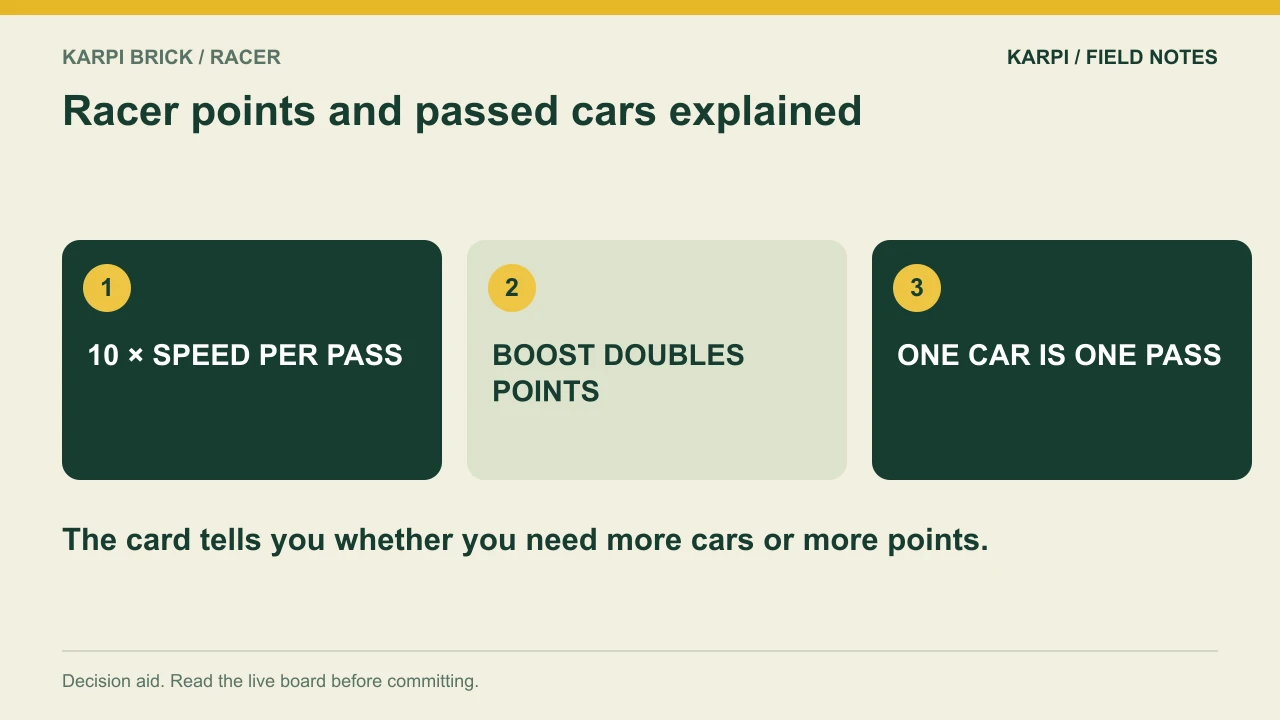
Racer counts cars passed separately from points scored. An ordinary pass is worth ten points multiplied by the current speed level, while a boosted pass counts double for score. That distinction matters when a journey card asks for one counter rather than the other.
Start with the ordinary pass
An ordinary pass scores ten points multiplied by the current speed level. At speed one, ten ordinary passes contribute 100 points; at speed three, each ordinary pass is worth 30. The run also tracks the actual number of cars passed. Read both counters, because a larger score can reflect faster traffic rather than more cars.
Boost changes points, not the existence of a car
A boosted pass doubles the normal points at the current speed: 20 at speed one, 40 at speed two and 60 at speed three. It still adds one to the passed-car count. Read the actual counters rather than estimating progress from the score alone. This matters when a card pairs a pass-count goal with a score extra.
A high score can hide a fragile route
A well-timed boost can create a quick scoring burst. If the burst leaves you making emergency lane changes, it may be hard to reproduce. Build a reliable path first, then look for where a scoring opportunity fits. A repeatable moderate run gives you a better base for improvement than one lucky burst followed by a collision.
Use the card to choose the tradeoff
For a score goal, boosted passes can reduce how many ordinary passes you need. For a no-boost extra, that same action invalidates the extra. For a survival goal, it may simply make the road harder. Read all the conditions together and decide which outcome the current attempt is meant to achieve.
Twenty passes can produce 280 points
A useful calculation comes from KEEP LEFT, which starts at speed one and ends at 20 passes. Without boost, the opening twelve cars give 120 points. Speed then rises to two, and the next eight give another 160. The total is 280. The card also lists NO BOOST and SCORE 300 as extras, so those two conditions cannot currently be combined in that ordinary 20-pass clear. This is a limitation of the present objective combination, not evidence that you failed to discover a secret scoring move.
If you pursue the score extra on a separate attempt, boosted passes can supply the difference. One speed-two pass with the multiplier earns 40 instead of 20, enough to turn that illustrative 280-point total into 300, provided the rest of the run is unchanged and the pass happens during the active bonus. That activation necessarily gives up NO BOOST. Reading both counters lets you make the tradeoff honestly instead of repeating an impossible combined target.
Why the score jump is larger than expected
Check three things: the current speed, whether the boost bonus was active at the pass, and how many cars cleared together. At top speed, two ordinary cars passing in the same step add two passes and 60 points in total. Two boosted ones can add 120. That is not a separate combo award; it is the sum of each car's normal calculation. Conversely, a lane change by itself awards nothing. The scoring event occurs only when traffic has passed the player's car.
A focused practice attempt
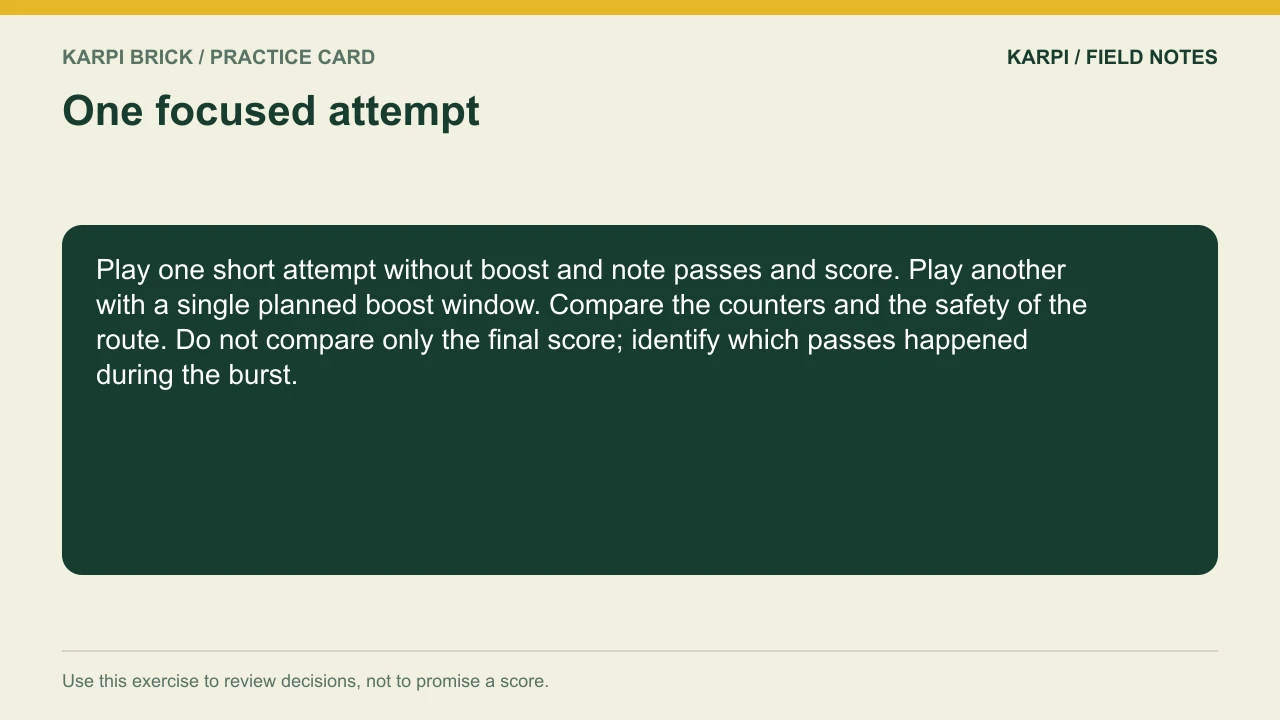
Play one short attempt without boost and note passes and score. Play another with a single planned boost window. Compare the counters and the safety of the route. Do not compare only the final score; identify which passes happened during the burst.
At the console | What to use |
|---|---|
Open this cartridge | |
Main controls | Left/right change lanes; Space or the red key boosts. Read the destination lane before moving. |
Pause | START/PAUSE on the console; Enter or P on a keyboard |
Journey | 12 levels across three chapters; read the goal and two extras |
Take it to the board: Play Racer and test one decision from this guide. The advice describes the current cartridge rules; a practice exercise is not a guaranteed score or clear.
 Take it to the gameBrick GameSnake, Blocks, Racer and Tank on a 90s handheldPlay free
Read next
Racer Journey: From FIRST LAP to GRAND PRIX For the series starting point, read Karpi Brick Racer: Three Lanes, One Way Through.