 KarpiGames Editorial
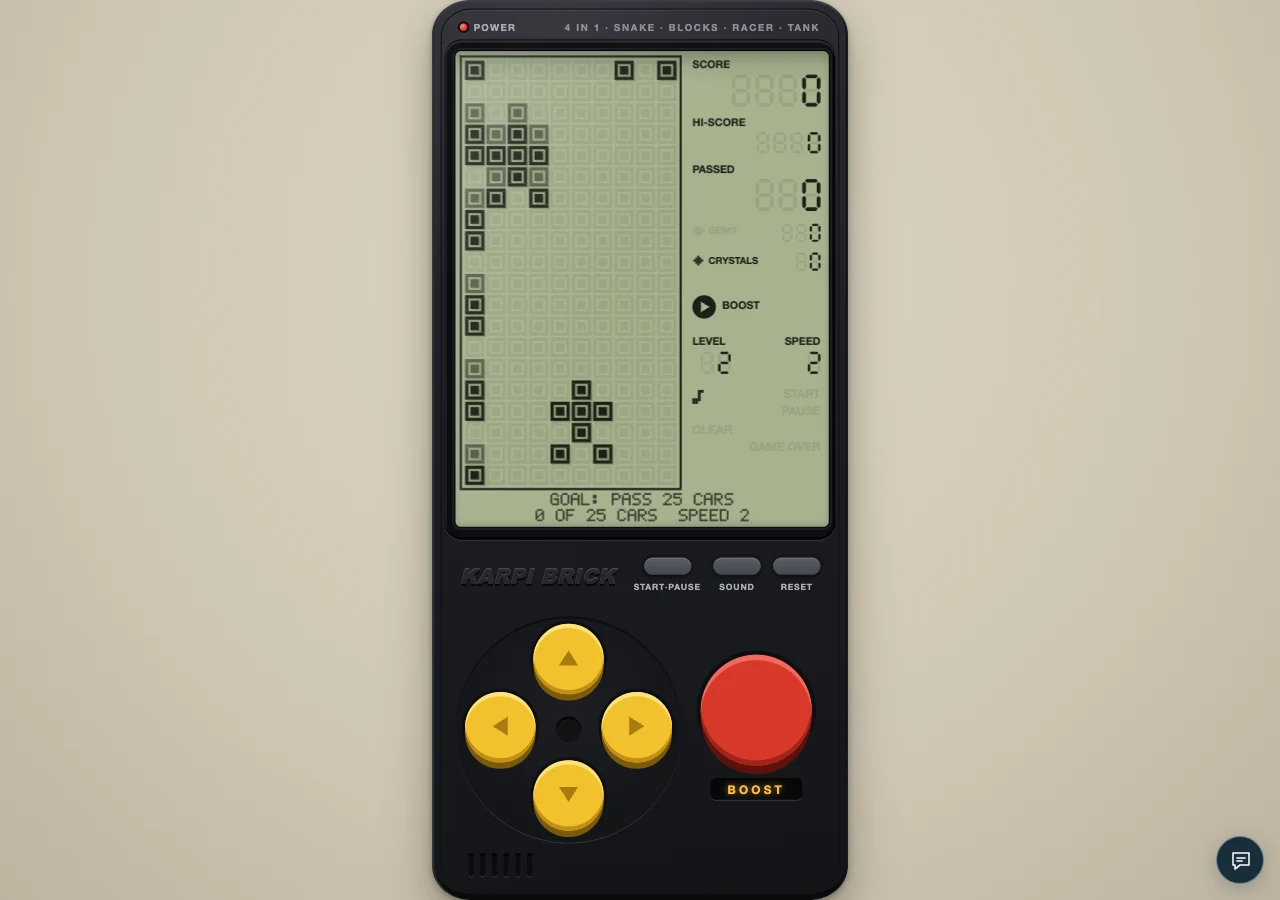
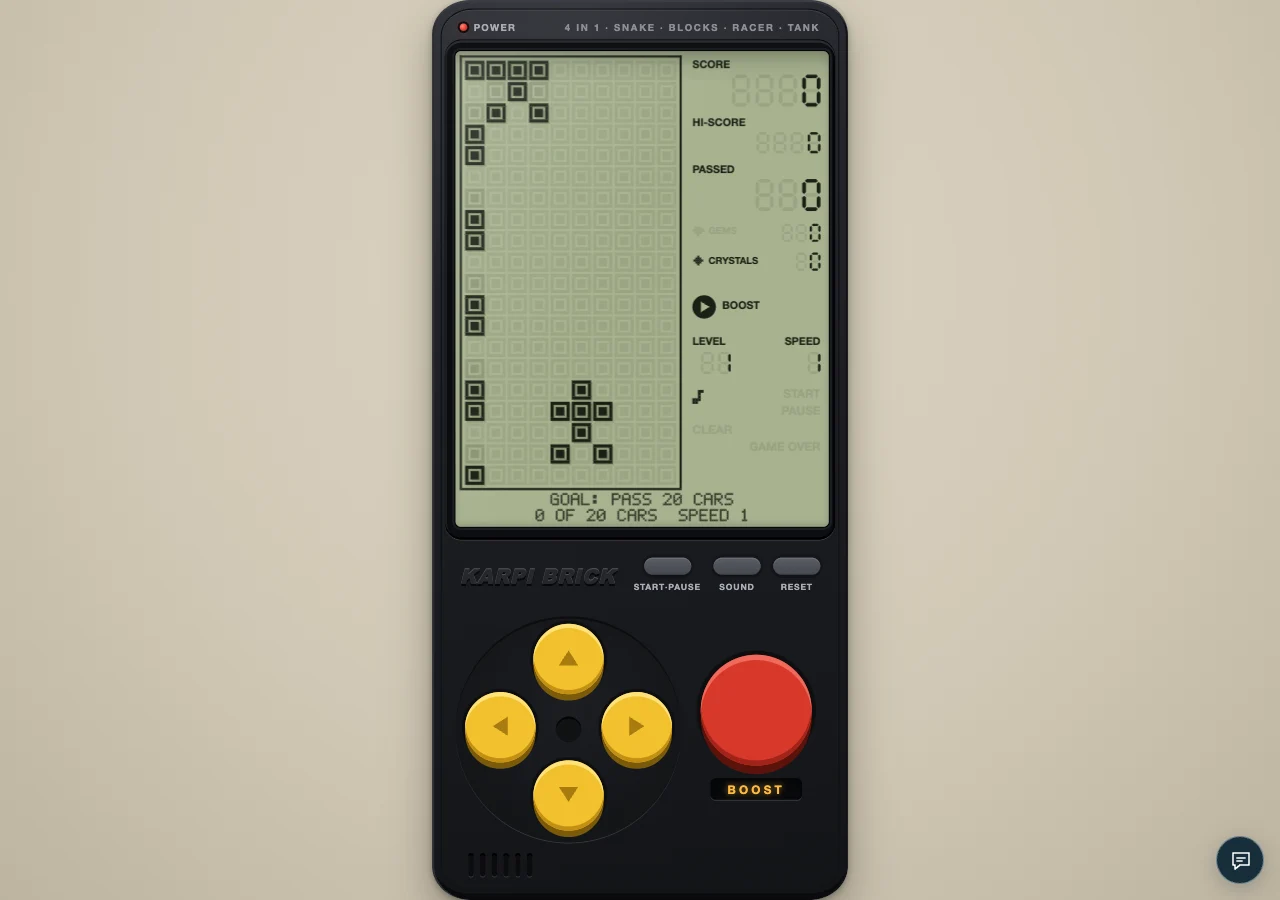
An authentic local capture of the cartridge. The visual guides below explain the decisions to look for.
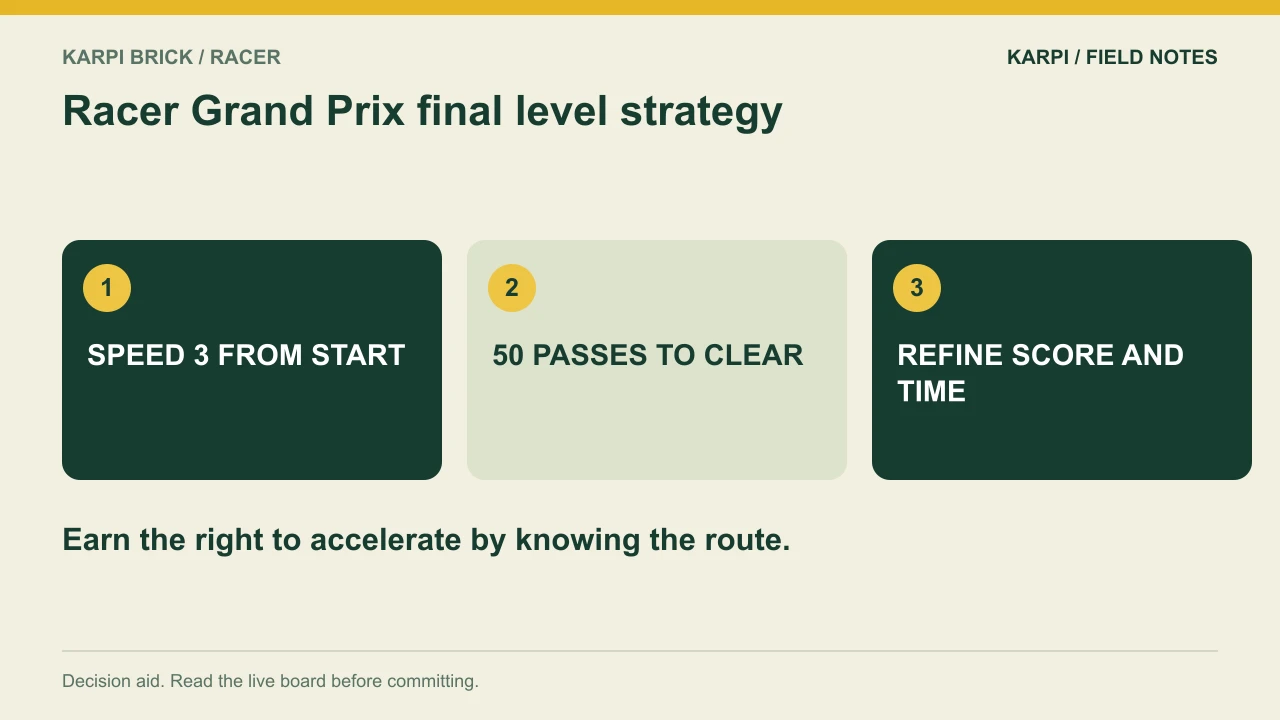
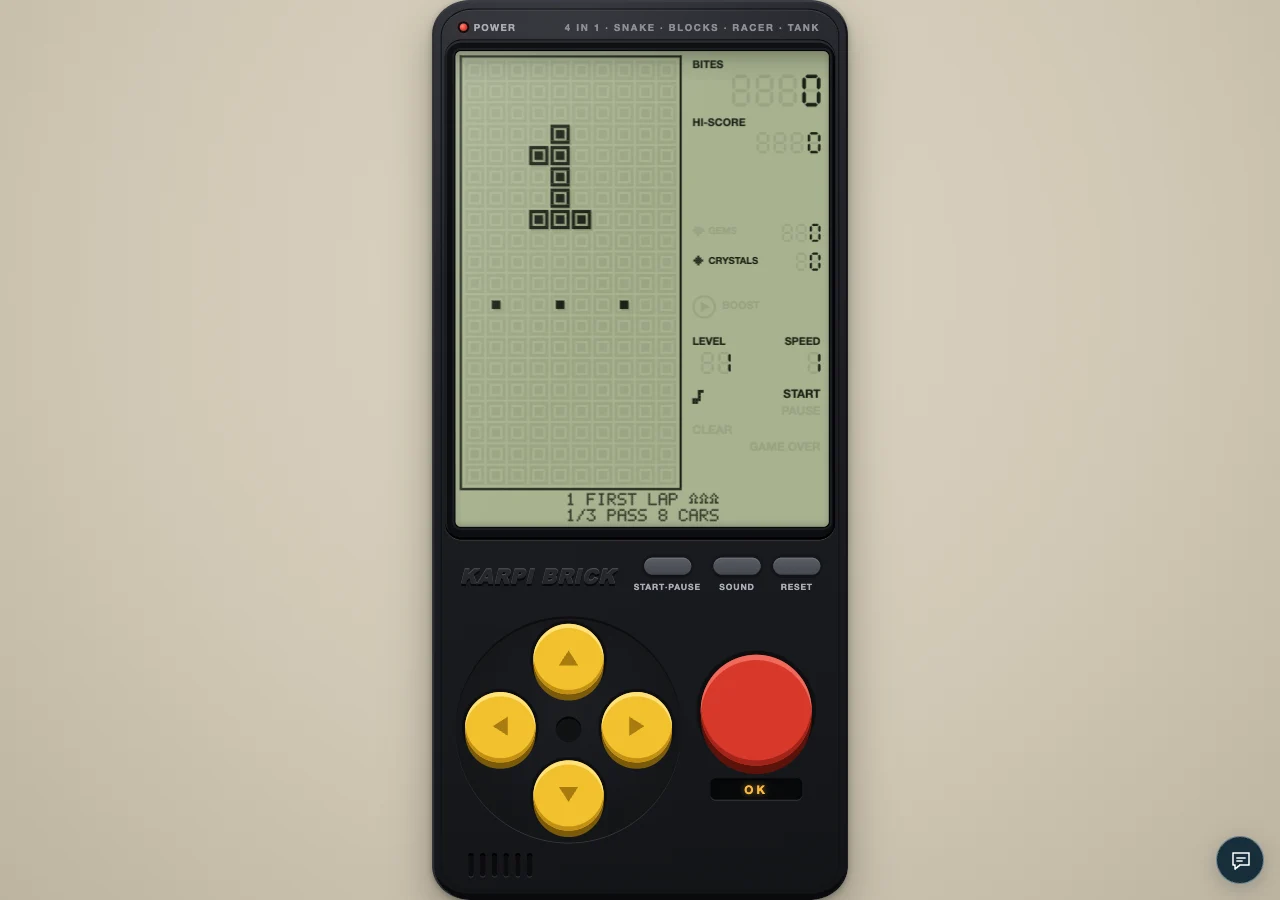
GRAND PRIX is Racer's twelfth journey level. It starts at speed three, asks for fifty passes, and adds extras for score and time. The first priority is a repeatable route through fast traffic; the extras come from refining that route.
Expect full pressure immediately
There is no slow opening to teach you the pace. Begin scanning high on the road as soon as the run starts. The stage uses tighter traffic spacing and can produce pairs, so a late decision can involve several cars at once. Your opening habit should be observation, not an automatic boost.
Break fifty passes into local decisions
The total target can encourage you to think too far ahead. You still survive it one traffic group at a time. Find the next safe lane, check the route to it, then reassess after the pass. This keeps the target from becoming a distraction while the immediate board needs attention.
The score extra does not demand reckless boosting
At speed three, an ordinary pass is already worth 30 points. Fifty such passes would contribute 1,500 points, above the 900-point extra. You therefore do not need to force boosts simply to satisfy that score condition. Concentrate on the fifty-pass clear; use acceleration only if the route and your intended time target justify it.
Separate the first clear from the full-star attempt
The time extra asks for completion within 90 seconds. The score extra is already covered by fifty ordinary top-speed passes, so time is the separate condition to examine after your first clear. Learn the traffic first, then decide whether any readable stretch would benefit from boost. A faster approach is useful only when the resulting lane choices remain controlled.
Use the score arithmetic to simplify GRAND PRIX
GRAND PRIX begins at speed three and never needs to climb through the slower settings. Fifty ordinary passes at 30 points each yield 1,500 points. Its score extra is 900, so a completed no-boost run already exceeds that requirement. The remaining extra asks for a finish within 90 seconds. This lets you separate a route problem from a speed problem: do not risk a boost solely to rescue a score condition that the main clear already covers.
During an illustrative attempt, reaching 30 passes unboosted brings the score to 900. You still need twenty more cars for the main goal; the score threshold is not the finish line. Continue making the same traffic checks instead of relaxing because one extra is satisfied. If the final time misses the target, review stretches where an already-clear route could support acceleration. Do that after establishing a complete run, so your comparison has a route you can actually reproduce.
When paired traffic makes fifty feel impossible
The final stage enables pairs at the speed where it starts, so you should expect them from the opening rather than after a warm-up. Read the open lane in each approaching band, then inspect the older traffic between your car and that opening. One repeated failure usually identifies a local move to change: an early return, a held input, or a boost before the route was settled. Work on that exchange. Thinking about all fifty passes during the same emergency adds pressure without revealing a safer lane.
A focused practice attempt
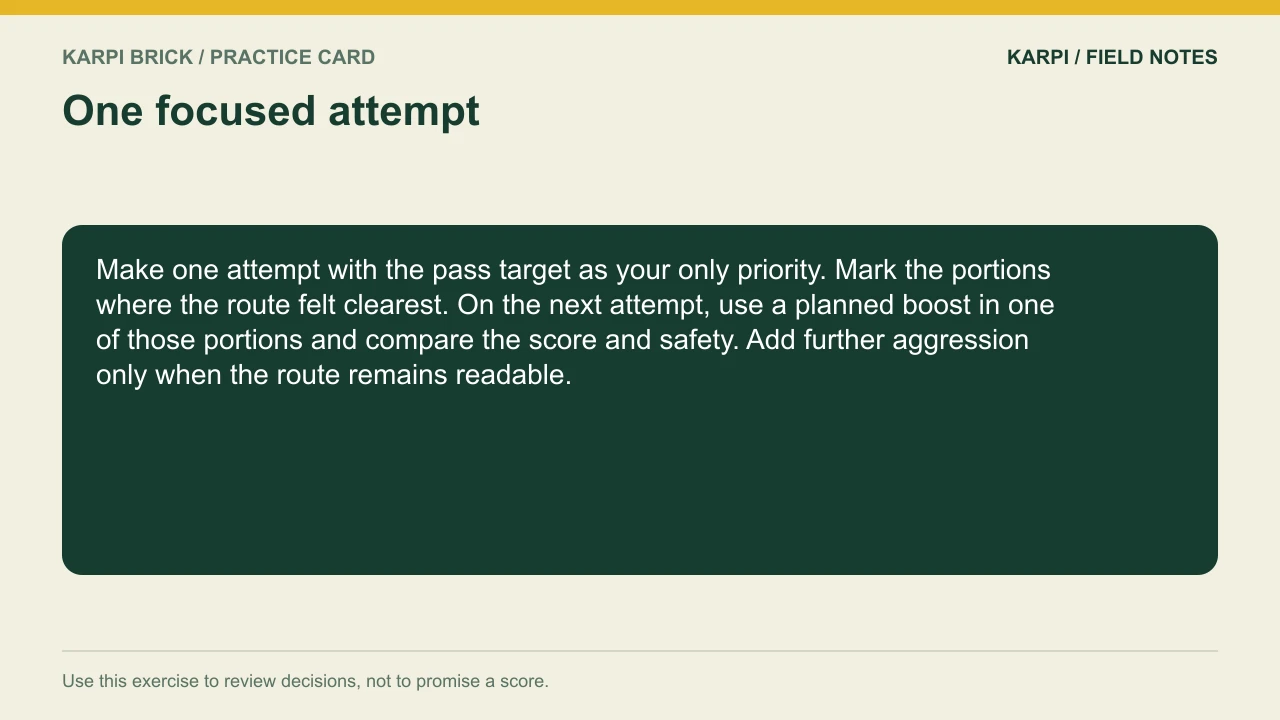
Make one attempt with the pass target as your only priority. Mark the portions where the route felt clearest. On the next attempt, use a planned boost in one of those portions and compare the score and safety. Add further aggression only when the route remains readable.
At the console | What to use |
|---|---|
Open this cartridge | |
Main controls | Left/right change lanes; Space or the red key boosts. Read the destination lane before moving. |
Pause | START/PAUSE on the console; Enter or P on a keyboard |
Journey | 12 levels across three chapters; read the goal and two extras |
Take it to the board: Play Racer and test one decision from this guide. The advice describes the current cartridge rules; a practice exercise is not a guaranteed score or clear.
 Take it to the gameBrick GameSnake, Blocks, Racer and Tank on a 90s handheldPlay free
Read next
Karpi Brick Racer: Three Lanes, One Way Through For the series starting point, read Karpi Brick Racer: Three Lanes, One Way Through.