 KarpiGames Editorial
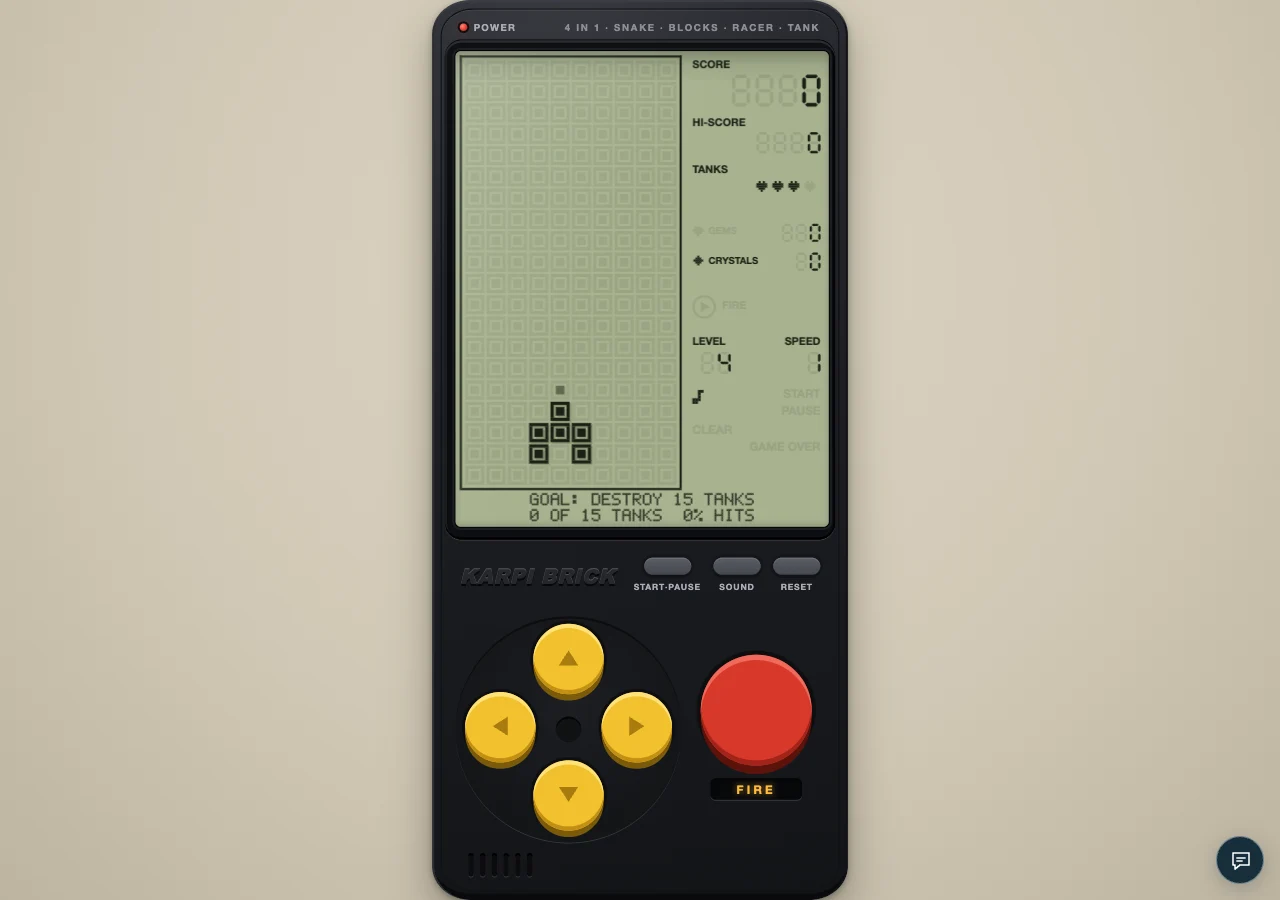
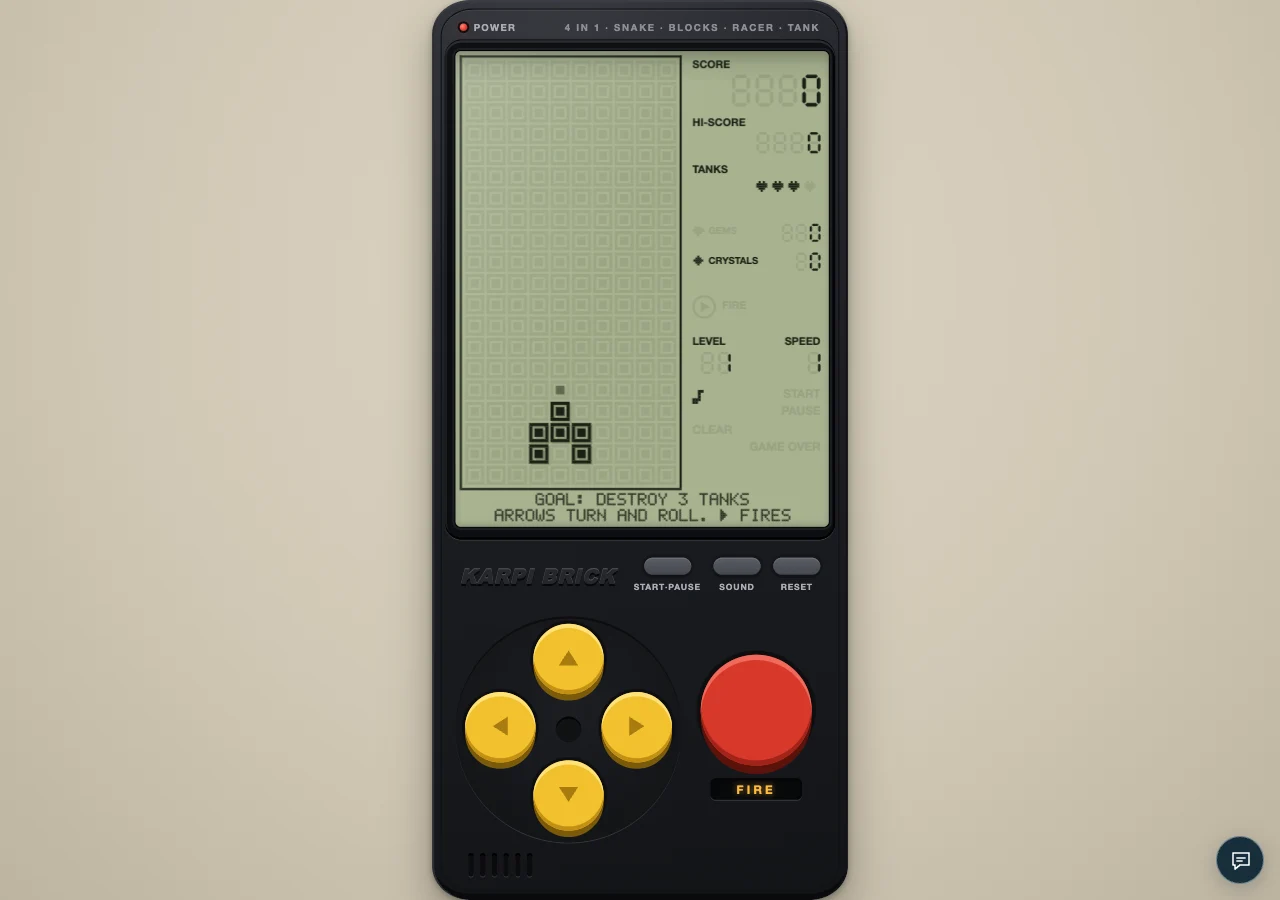
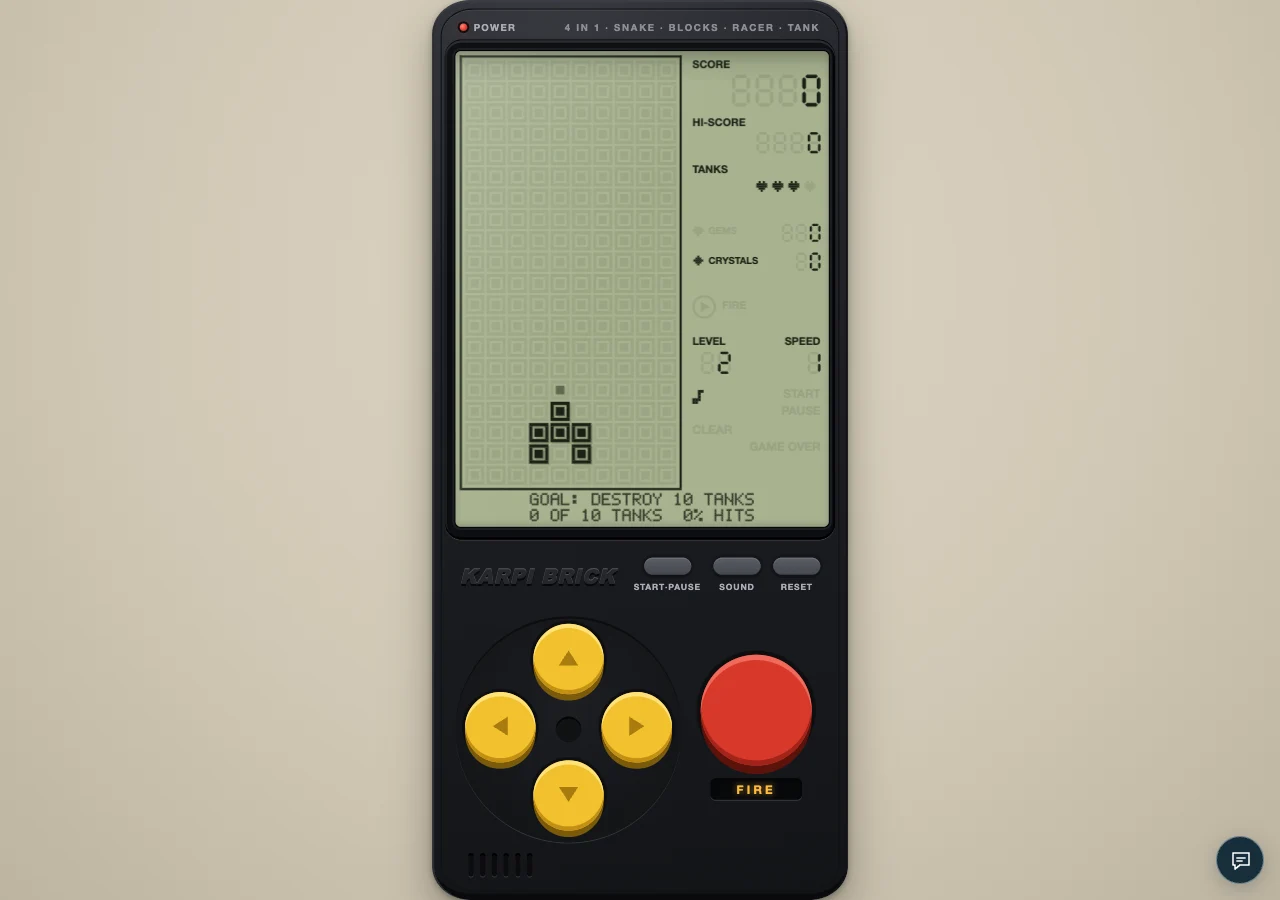
An authentic local capture of the cartridge. The visual guides below explain the decisions to look for.
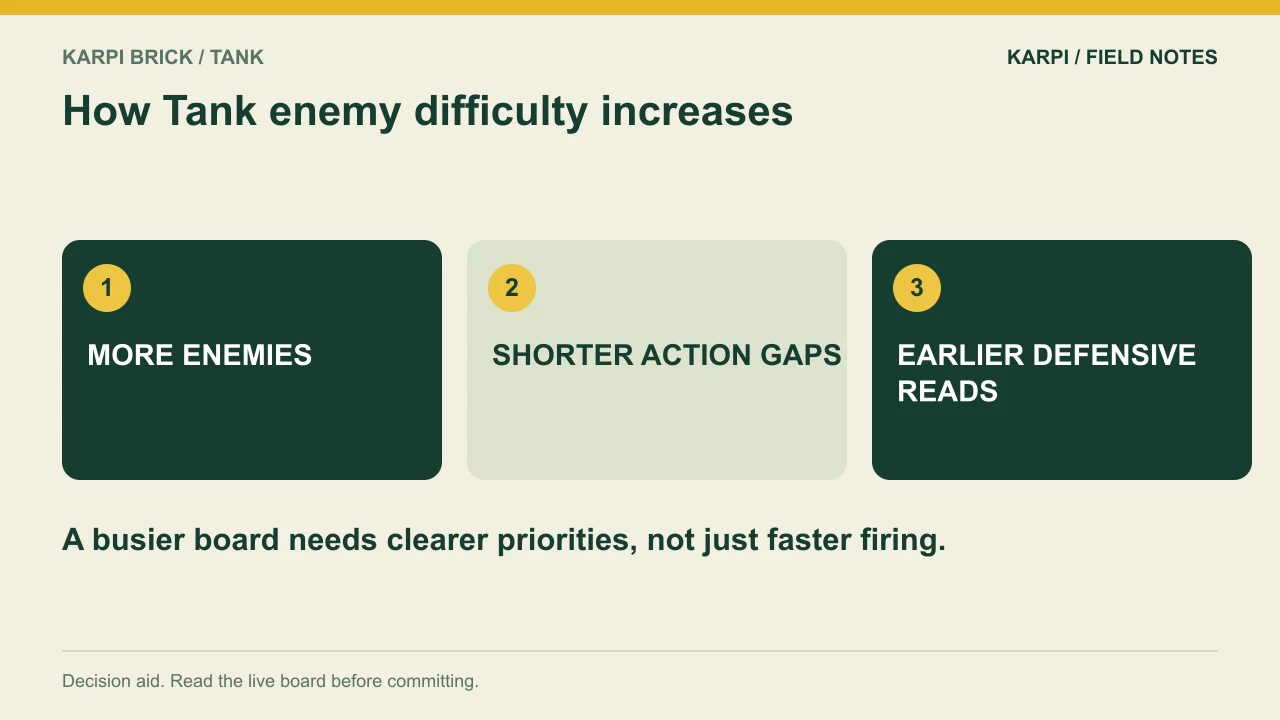
As Tank's level rises, enemies can appear in greater numbers and move and fire more often. The screen can become difficult without changing its size. Your response should be better target selection and earlier defensive reading.
More tanks mean more possible lanes
The base enemy cap starts at two and rises toward a maximum of four. Each additional enemy can threaten another part of the board. Avoid focusing on one target for so long that you stop tracking the others. A shot is only useful if the position remains survivable while it travels.
Firing rhythm changes with difficulty
Higher levels shorten the intervals for enemy actions within configured limits. A safe pause at the opening difficulty may be too long later. Read the actual shells and movement instead of relying on the same wait between every shot. The board tells you when the pressure has changed.
Endless success brings the next test
Endless difficulty rises with enemies destroyed, while journey levels can start at a higher difficulty immediately. A good opening can therefore lead into a busier middle. Prepare by keeping the tank in positions with options, not merely by increasing the rate at which you press FIRE.
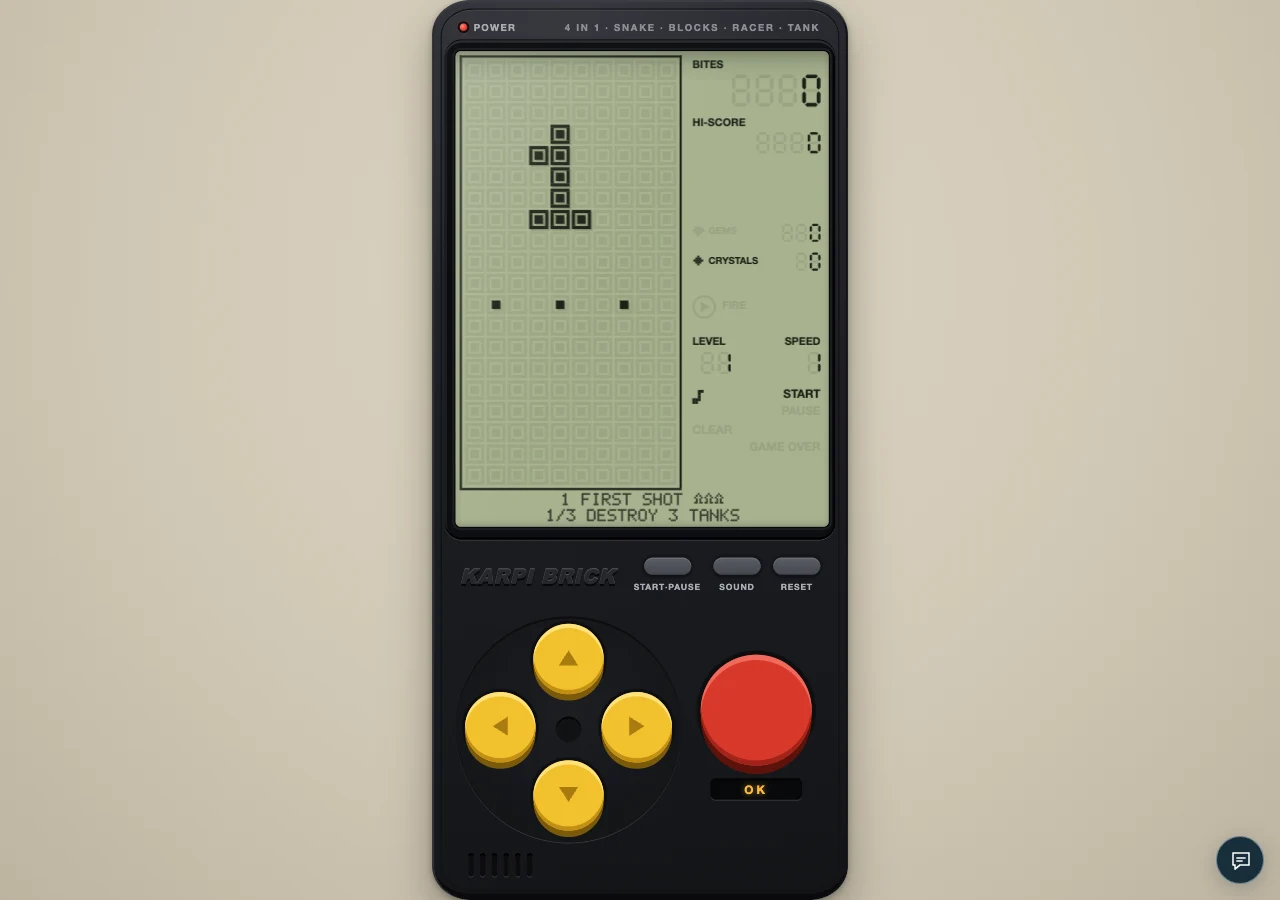
Reduce crowded decisions
When several enemies threaten at once, identify the immediate projectile danger first. Then look for a shot that removes a relevant enemy without trapping the tank. You do not need to attack every visible target in order. A simple safe lane is often more useful than a complicated chase across the board.
Follow the first two increases in endless play
Endless Tank begins at difficulty one with room for at most two enemies at once. After eight destructions, difficulty becomes two and the cap becomes three. After sixteen, difficulty three permits four, the maximum simultaneous count. Later increases continue tightening action timing within their limits, but they do not raise that cap above four. The larger score and the busier board are consequences of the same progress.
At difficulty one, an enemy movement opportunity comes every six steps, about 0.54 seconds. At difficulty four and above, that movement interval has reached its three-step floor, about 0.27 seconds. A movement opportunity can be a turn rather than a forward move, and enemy fire has its own interval and alignment checks, so these numbers are not a promise of perfectly regular attacks. They explain why a comfortable early pause can stop working. Prepare for the next increase before the kill that triggers it, especially if your current position has only one exit.
Distinguish a cap from a promised wave
An enemy cap is the maximum allowed on the board, not a requirement that all those tanks appear together. New enemies need a spawn opportunity and an unobstructed entry position. Destroying one may create capacity for a replacement, but the timing still depends on the spawn state. Likewise, enemies mix pursuit with wandering; they do not all follow an identical route toward you. If a memorised sequence breaks, read the current positions and shells instead of continuing to steer toward where a target used to be.
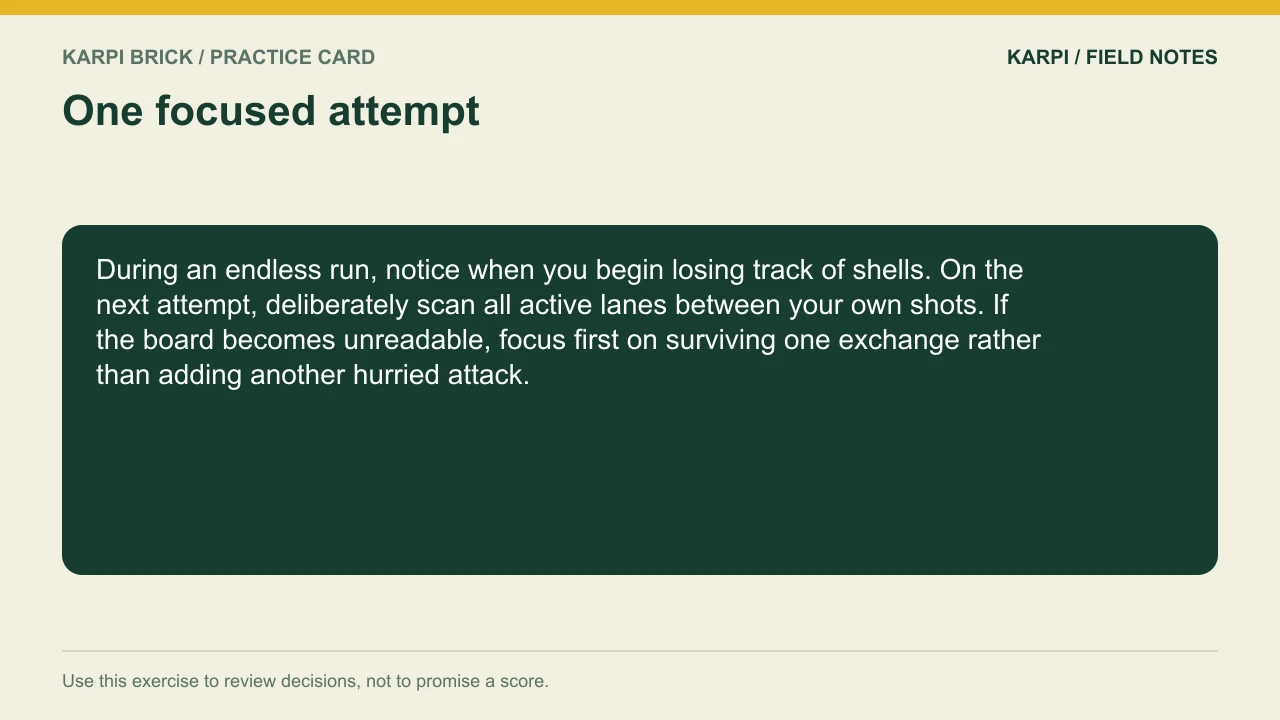
A focused practice attempt
During an endless run, notice when you begin losing track of shells. On the next attempt, deliberately scan all active lanes between your own shots. If the board becomes unreadable, focus first on surviving one exchange rather than adding another hurried attack.
At the console | What to use |
|---|---|
Open this cartridge | |
Main controls | A new direction turns the tank first; another input in that direction moves it. Space or the red key fires. |
Pause | START/PAUSE on the console; Enter or P on a keyboard |
Journey | 12 levels across three chapters; read the goal and two extras |
Take it to the board: Play Tank and test one decision from this guide. The advice describes the current cartridge rules; a practice exercise is not a guaranteed score or clear.
 Take it to the gameBrick GameSnake, Blocks, Racer and Tank on a 90s handheldPlay free
Read next
Tank Journey: PATROL, SKIRMISH and ASSAULT Explained For the series starting point, read Karpi Brick Tank: Aim First, Then Make Room.